Mental Health Matters

The best leaders don't bring everybody home with them
The workload of leadership isn’t always visible. Emotional load can follow leaders long after the working day ends. Relational Intelligence is the ability to stay connected, create psychological safety and support your people without absorbing everything they are experiencing.

How far can we drive on a flat tyre?
Burnout doesn’t always look like someone falling apart. Often, leaders are still performing, making decisions and carrying their teams — just at a much higher personal cost. Like driving on a run-flat tyre, they can keep moving for a while, but the goal should be fixing the problem, not simply continuing the journey. Burnout Intelligence is about recognising the signs early and restoring capacity before lasting damage occurs.
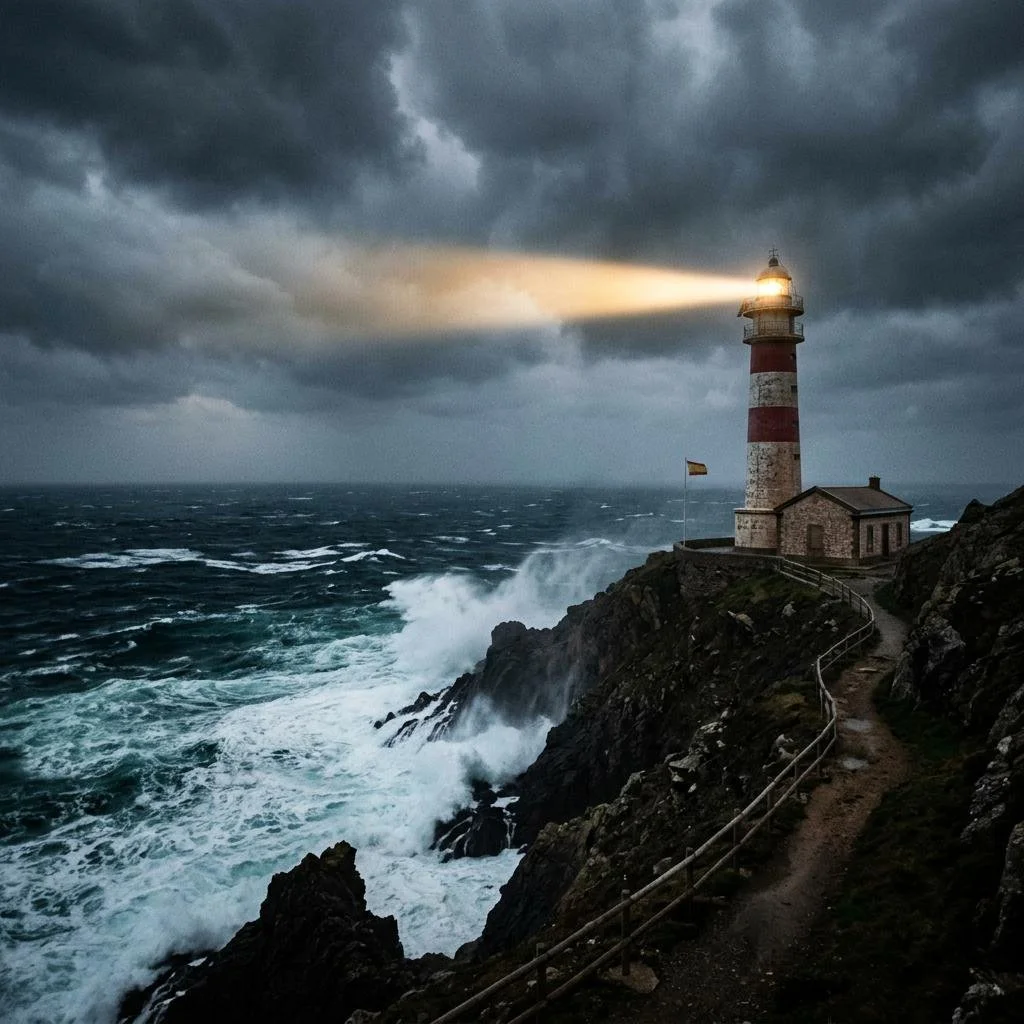
When Capability is High, What Limits Performance?
Pressure is inevitable. Burnout doesn't have to be.
Elite athletes prepare for pressure they know is coming. Business leaders don't have that luxury. They face constant uncertainty, high stakes and the expectation to keep performing while supporting everyone around them. That's why leadership today requires more than capability—it requires conditioning. Level Up helps leaders build the resilience, adaptability and readiness to perform when the pressure is on, not just when conditions are ideal.
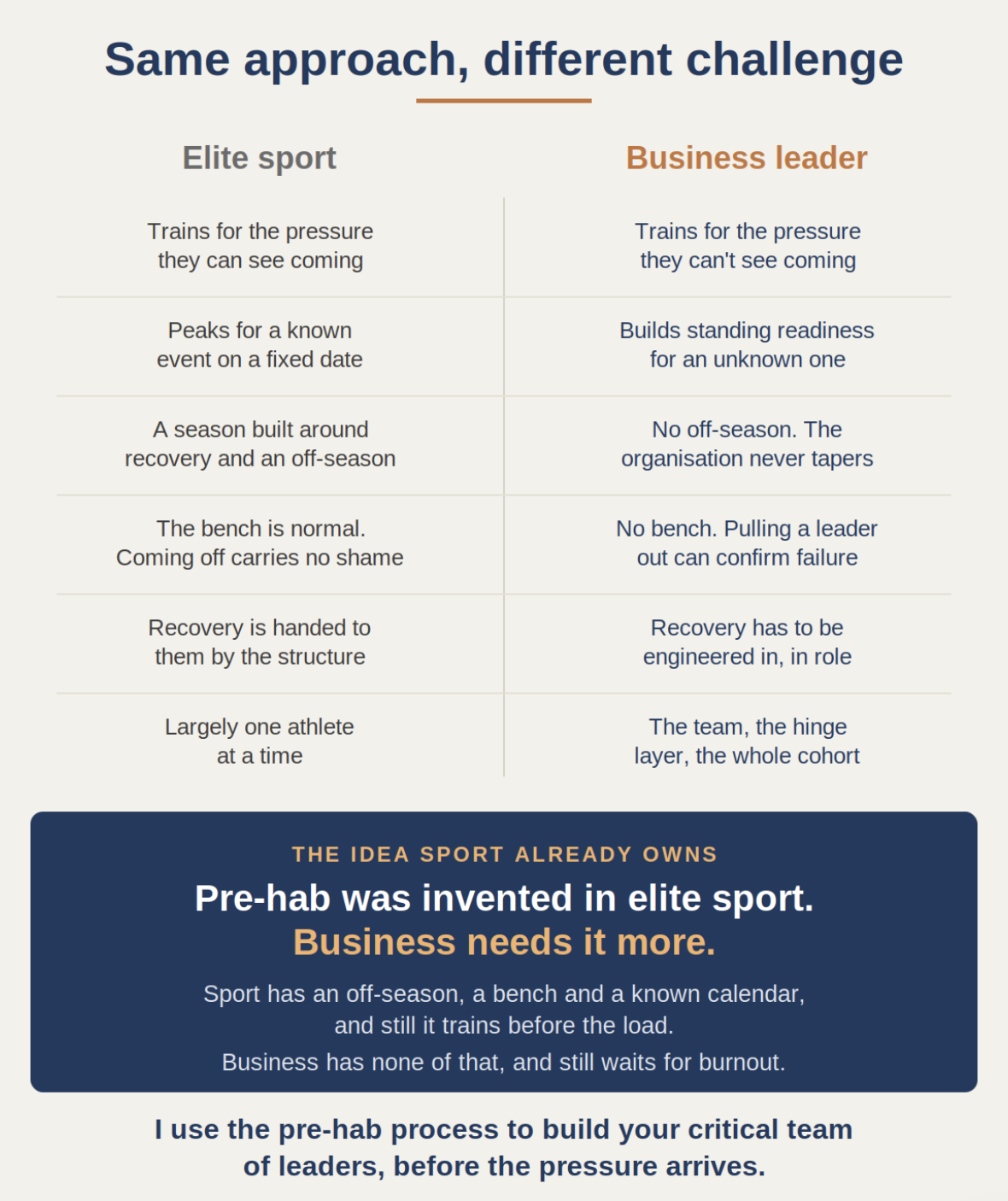
Same Approach, Different Challenge
Pressure is inevitable. Burnout doesn't have to be.
Elite athletes prepare for pressure they know is coming. Business leaders don't have that luxury. They face constant uncertainty, high stakes and the expectation to keep performing while supporting everyone around them. That's why leadership today requires more than capability—it requires conditioning. Level Up helps leaders build the resilience, adaptability and readiness to perform when the pressure is on, not just when conditions are ideal.

What If the Five-Year Plan Was Never Meant to Predict the Future?
The five-year plan isn't dead. But its job has changed. In an unpredictable world, adaptability, not prediction, may become every organisation's greatest competitive advantage.
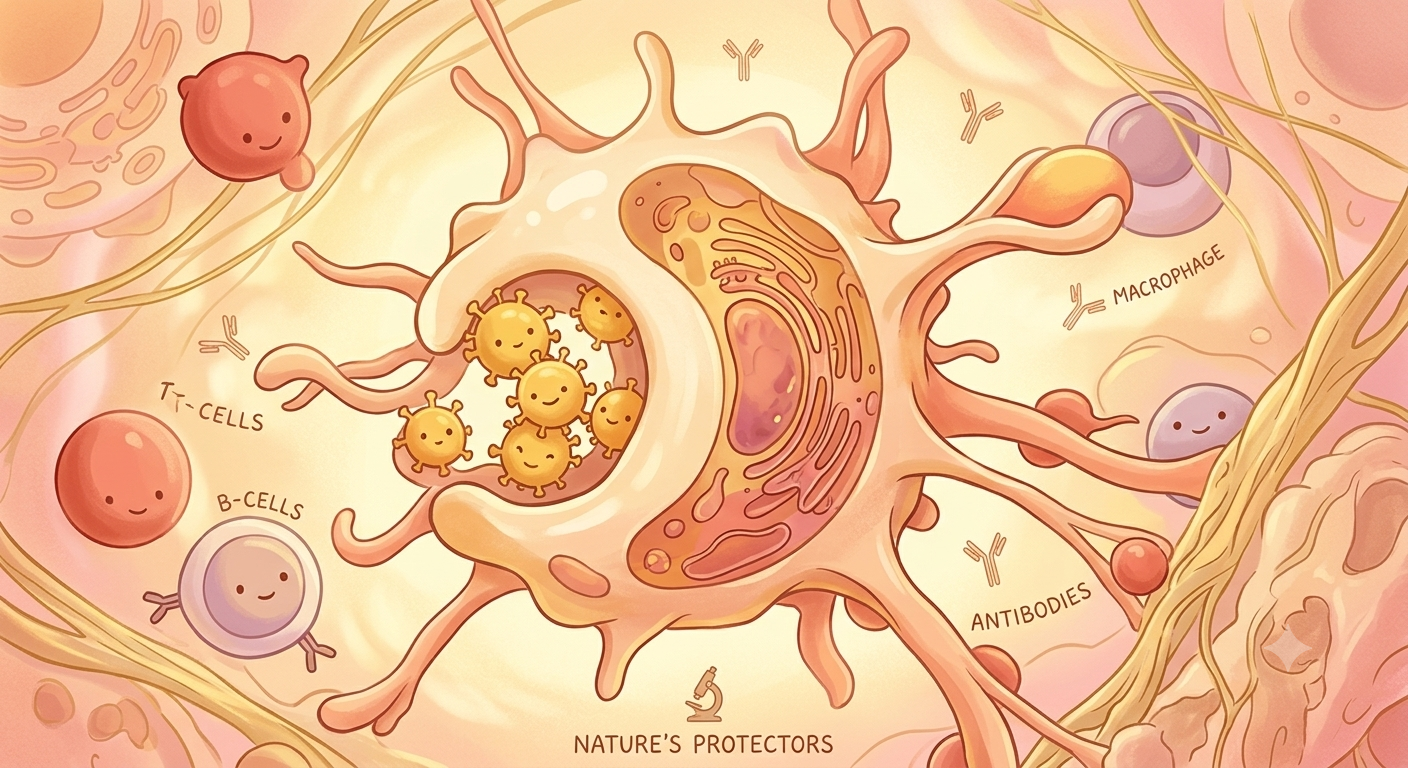
Your Organisation Needs an Immune System
The strongest organisations don't predict every threat. They build leaders who can respond to whatever arrives.

The Positive side of Unpredictability – Grasping the Opportunities
Unpredictability can also work in your favour. Put the right people in the system, and the ripple effect can be bigger than you planned.

The Bounce of the Ball
How do you prepare for what you can’t predict? That’s the question at the heart of this series.
Burnout, AI change, compliance pressure, and rising strain on teams are creating a perfect storm. You can’t plan the bounce, but you can build leaders who stay steady when it comes.
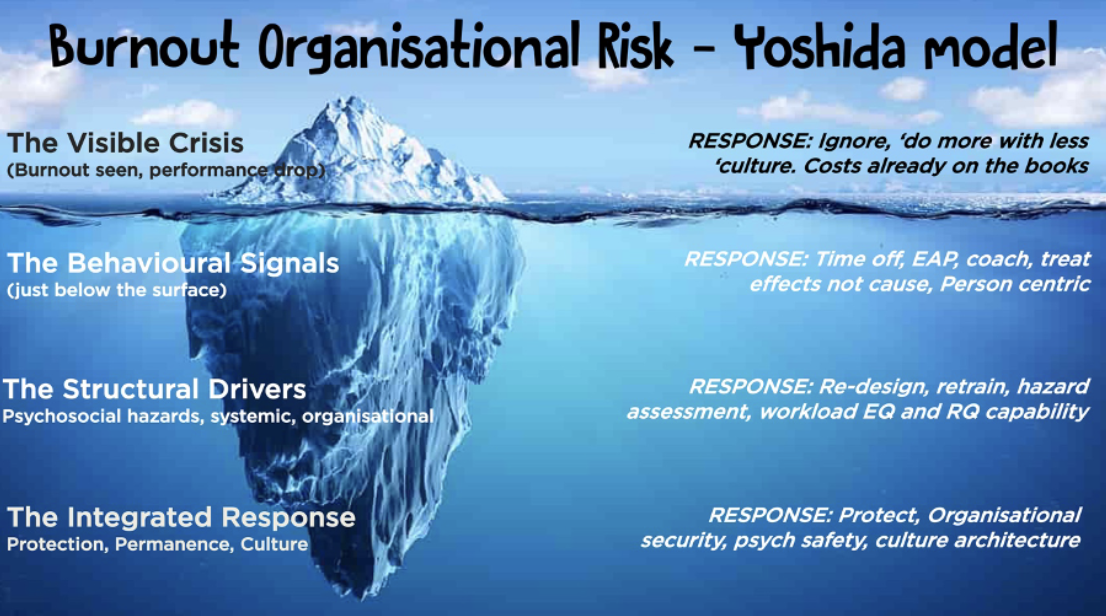
If we only treat the burnout, we will be back here again
Burnout support matters, but lasting recovery requires more than immediate care. To stop the same crisis from repeating, organisations need to go deeper and address the structure, workload, and conditions driving the pressure.
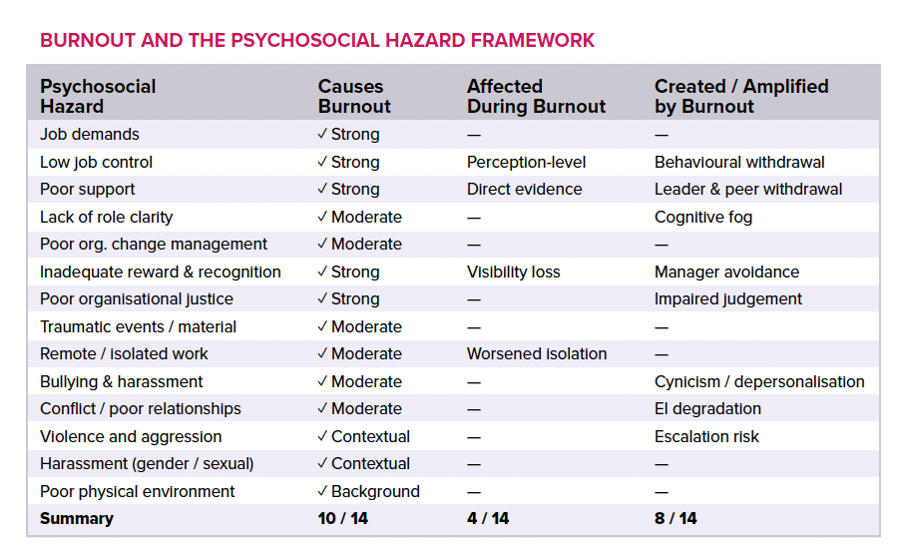
Burnout is connected to every psychosocial hazard
Burnout is often treated as a wellbeing issue, but it is also an organisational risk signal. When it appears, it can reveal deeper problems in workload, support, role clarity, and culture, and those conditions rarely fix themselves.
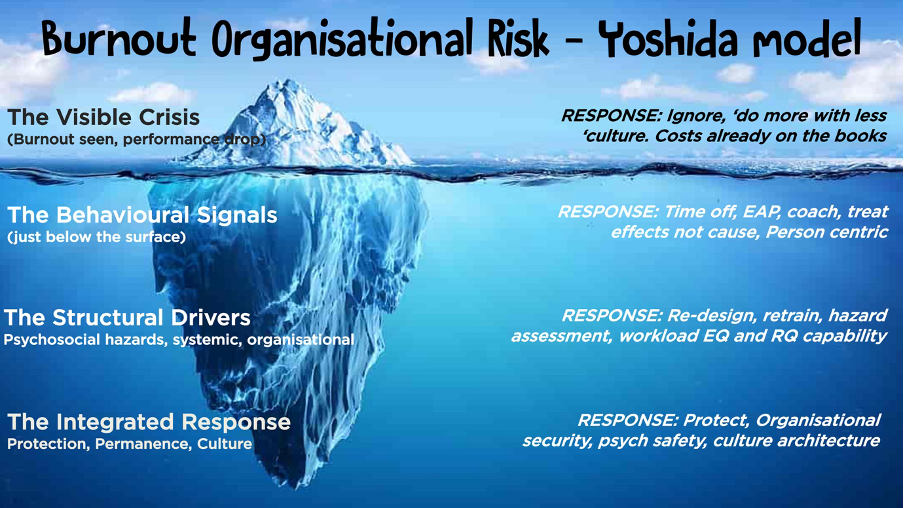
Burnout is just the smoke, you need to find the fire.
Burnout is usually a sign of deeper problems that have been building for some time. The real fix is to support people and change the conditions causing the harm.

When Every Struggle Gets a Label
We are living in a time where many forms of distress are quickly given labels, but not always with precision.
In my work on burnout, what stands out most is this: even when the words are not exact, the experience behind them often is. The real task for leaders is learning to hear what sits underneath the label.

Holding the Space Under Pressure
Layoffs do not end on the day people leave. They reshape trust, slow decision-making, and leave teams carrying uncertainty long after the announcement. Effective leaders do not pretend nothing has happened, they create enough safety, clarity, and steadiness for people to keep moving.

Burnout Business Risk at Every Level
Burnout is no longer a wellbeing issue to manage quietly in the background. It is a measurable business risk.
Across organisations, it is driving disengagement, poor decisions, attrition, and rising costs. And the data is now clear: it is cheaper to address burnout properly than to ignore it.

WHY MID-LEVEL LEADERS ARE BURNING OUT
Layoffs do not end on the day people leave. They reshape trust, slow decision-making, and leave teams carrying uncertainty long after the announcement. Effective leaders do not pretend nothing has happened, they create enough safety, clarity, and steadiness for people to keep moving.

What Happens After The People Cull?
Layoffs do not end on the day people leave. They reshape trust, slow decision-making, and leave teams carrying uncertainty long after the announcement. Effective leaders do not pretend nothing has happened, they create enough safety, clarity, and steadiness for people to keep moving.