For decades, “alpha” has been shorthand for dominance. Often equated to toxic (usually male) behaviour.
The alpha male. The strongest. The loudest. The one who wins by force. The bully.
It’s a story most of us absorbed without ever questioning it. And like many good stories… it turns out to be wrong.
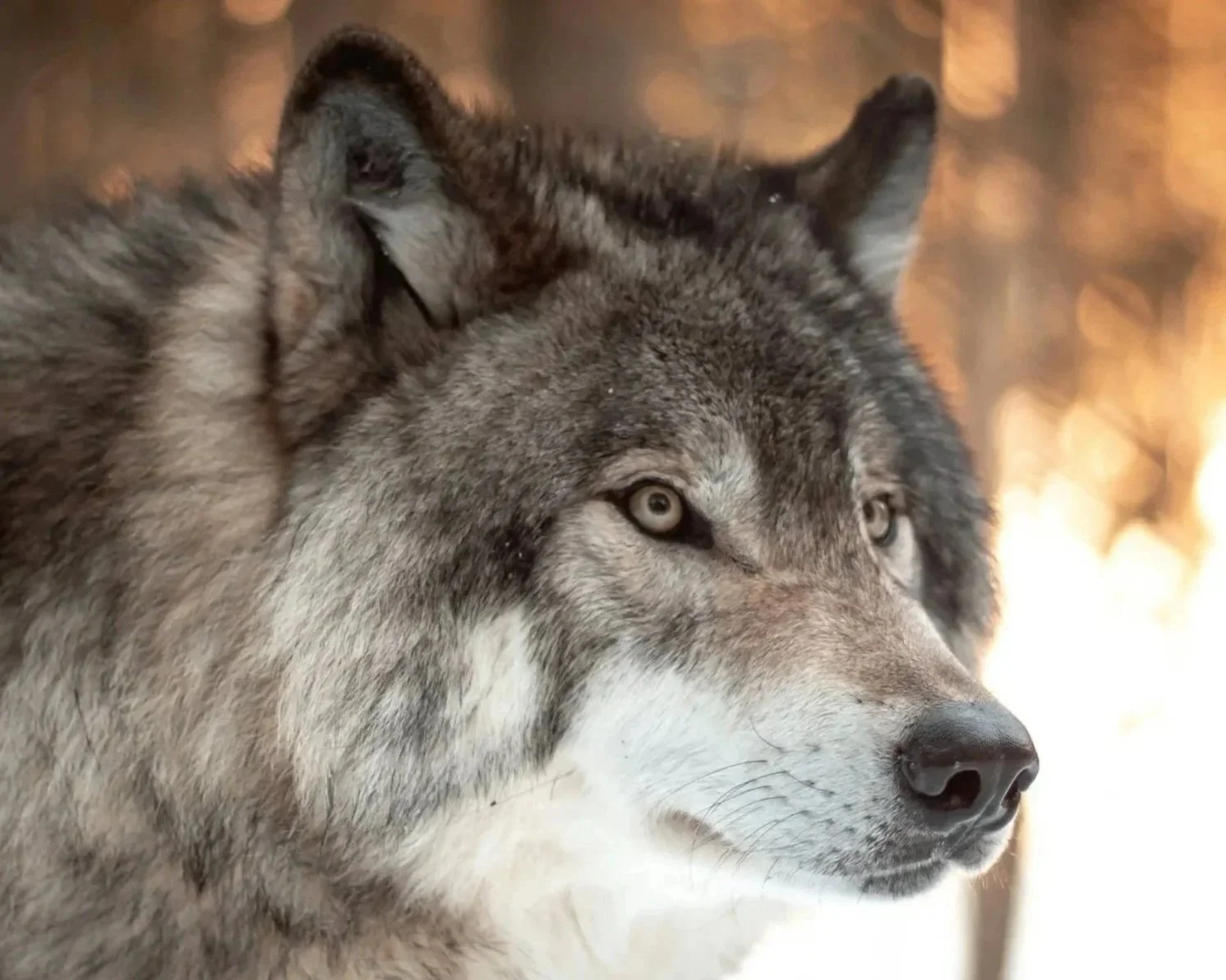
The idea of the “alpha male” came from wolf research carried out between the 1930s and 1960s. Researchers observed packs of wolves (starting with two packs in captivity) and noticed aggressive behaviour, competition for rank and resources, and clear hierarchies.
From this, they concluded that wolf packs were ruled by dominant individuals who fought their way to the top.
There was just one problem. Those wolves weren’t living like wolves.
They were unrelated adults, taken from different places, locked together in captivity.
No shared history. No family bonds. No natural structure.
In other words, they were stressed strangers forced to co-exist in a confined space. Think of the prison yard, the gladiator ring, or anyone who has lived with shitty flatmates. You will immediately see the problem.
When animals, or humans, are placed under artificial pressure, deprived of choice and safety, behaviour changes. Conflict rises. Aggression increases. Control becomes a coping strategy.
The behaviour wasn’t evidence of “alpha dominance”. It was evidence of stress.
When researchers later studied wolves in the wild, the picture was entirely different. Wild wolf packs weren’t battlegrounds. They were families.
The so-called “alpha pair” weren’t bullies who fought their way to the top. They were simply the parents. The most experienced members of the group, responsible for resources, shelter, movement and location. In fact, over 250 species recognise their Alpha is their female leader: monkeys, lions, elephants, meercats, dolphins…the list goes on.
The role of the “Alpha” was not to dominate, but to stabilise. Leadership wasn’t enforced through aggression. It emerged through steadiness, coordination, and care. Sometimes through seniority in years, because of experience and wisdom, but not always the elder.
Over time, animal behaviourists and wolf biologists have abandoned the idea altogether because of how badly it had been misunderstood.
Unfortunately, the cultural damage was already done.
We imported the wrong story into human behaviour.Modern leadership environments often look more like captivity than the wild. Constant scrutiny, artificial urgency, limited recovery, and no obvious ‘off’ switch. Then we built leadership models, performance ideals, and personal identities around it.
And many high-performing people have been quietly paying the price ever since.
Because when “alpha” is framed as dominance, people feel pressure to be harder than they need to be. Louder than they are. Less human than they actually are.
But if you return to the original truth, Alpha was never about force.
It was about being the individual who could stay steady when things got chaotic.
The one who reduced confusion.
The one others instinctively oriented to because they felt safe, regulated, and clear in their presence.
This version of Alpha isn’t masculine. It isn’t aggressive. It isn’t performative.
It’s grounded.
And in a world that’s loud, fast, and overloaded, that kind of Alpha energy isn’t outdated… it’s desperately needed.
Not the one who feels they have to dominates the room. But the one who steadies it.
The irony is that the people most expected to steady the room are often the ones with the least space to steady themselves.
This is the Alpha that I work with. If you want to know more, stay tuned as I will unpack in greater detail in the coming weeks.