
Pit lane before the cliff - how to make your team ready
No time to read? Click play to listen

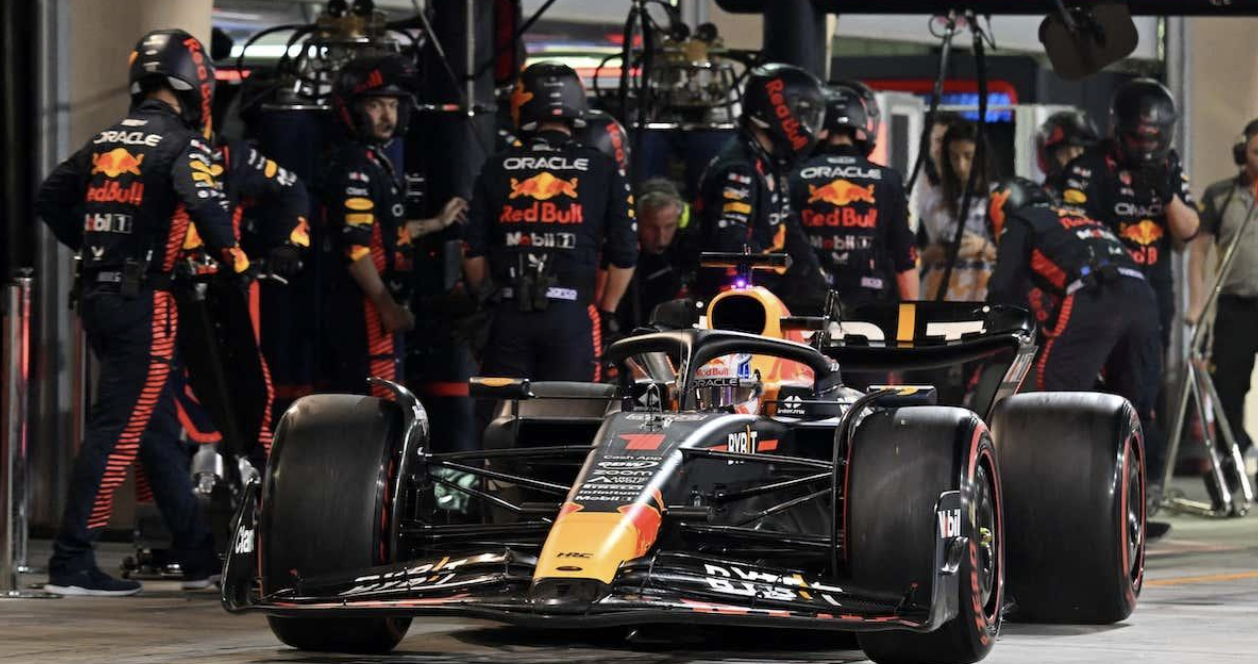
In Formula One racing, there's a phrase that engineers dread, and it's called 'the cliff.' It's a set of tires that can feel perfectly fine lap after lap, and the time's holding steady, and then within a lap or two, the grip just simply falls away, and the driver is suddenly seconds off the pace.
The biggest teams in the world never wait for the cliff. They read the data, they watch for the small signs, and they bring the car in even while it still feels fast.
Burnout behaves in much the same way in leaders. On the outside, the performance is holding up, sometimes for months, while underneath, the reserves are wearing thin.
And by the time it shows up in an engagement survey or an exit interview or some kind of a claim, it has been building for a very long time.
Leader burnout in Australia is sitting near 69%, and it's in the middle managers, that hinge in the organisation, who carry it most, absorbing pressure from above and below at the same time.
The KPIs, the strategy, the needs of the business from on high, and simultaneously the frustration and the overwhelm and the angst that their team is showing from underneath.
Burnout Intelligence is the capability to read those early signs in yourself and in the people around you, and to act while there is still some grip left in the tires. This is an integral topic of our Level Up Program, developing readiness in your best performers.
It means knowing the difference between a hard week and a draining pattern, having a shared language for pressure and recovery across the team, and adding the small regenerative habits that could and should rebuild capacity week by week.
In Level Up, we approach this the way the elite teams approach their athletes. It's as a conditioning. Most leadership programs will teach capability, but Level Up also trains the capacity to carry it when the pressure is highest.
In Formula One, again, the phrase engineers would use is 'box box' to call a car into the pit. They say it twice to ensure the driver hears them through the noise of the engines and the radio static. It's an interesting idea.
So what are you using to alert your teams to the dangers they're facing? Because the best teams in the world will pit before the cliff.
I’d love to share more about this with you.
